
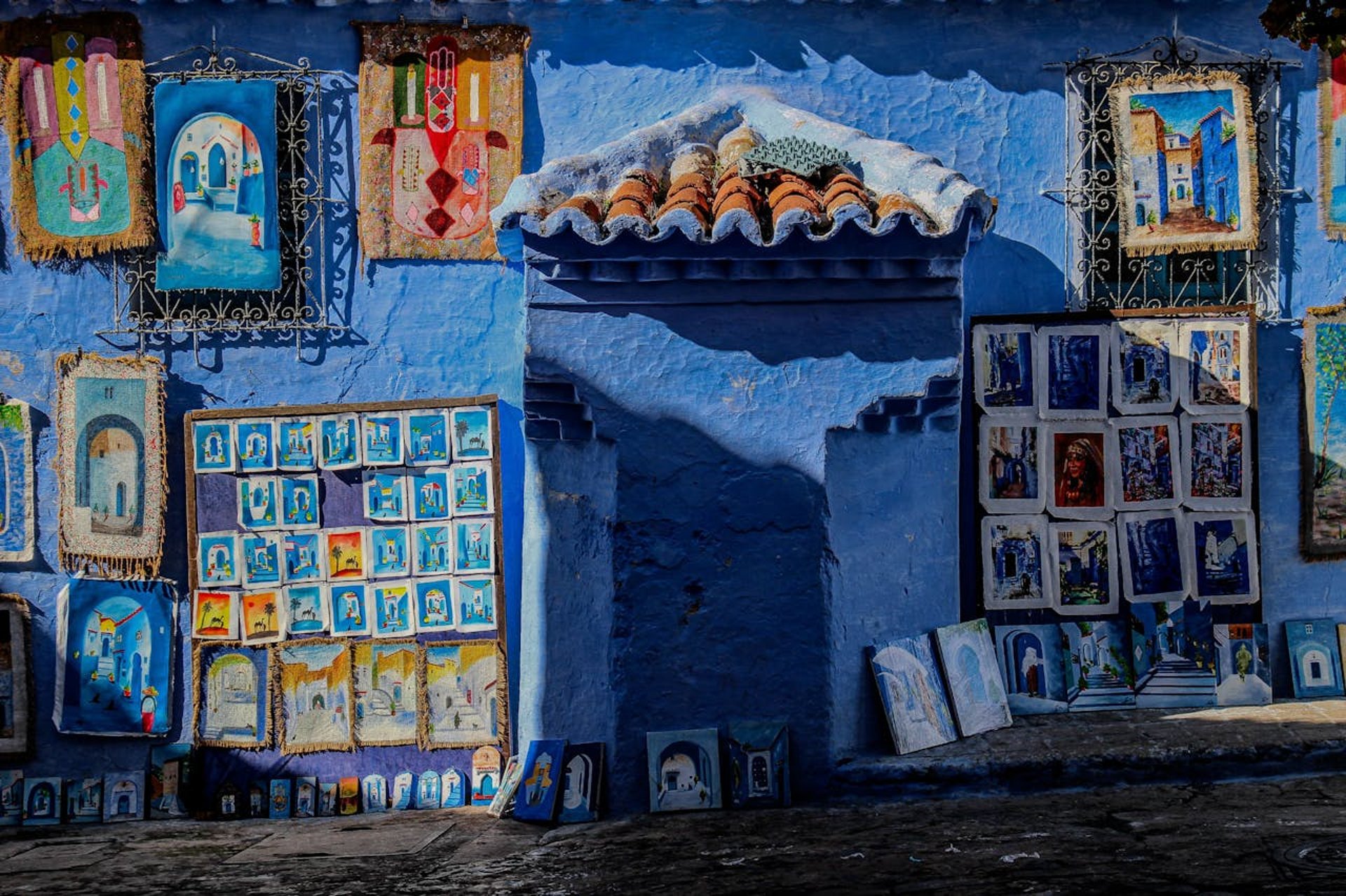
Why Every Traveler Should Visit a Local Art Scene Before a Landmark
FEATUREDART & CULTURETRAVEL & FOOD
The Eiffel Tower will still be there tomorrow. The gallery down the street might not.
There is a particular kind of disappointment that arrives about twenty minutes into standing in front of a famous landmark. You have seen it a thousand times - on postcards, on Instagram, on the cover of every travel magazine ever printed. And now here you are, in front of the real thing, waiting to feel something.
Sometimes you do. Often, you don't.
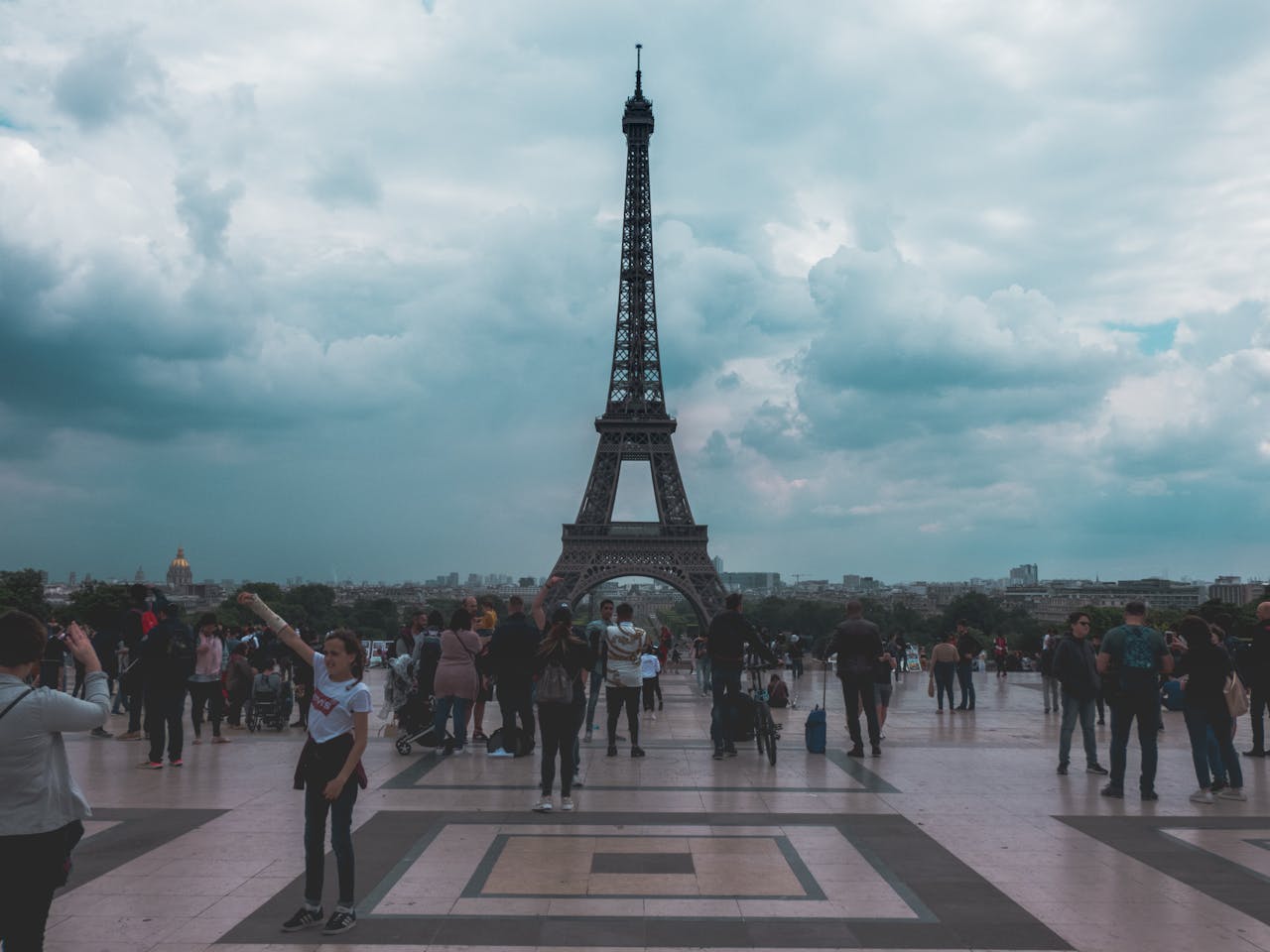
Photo by Mart LMJ
What you feel instead is the weight of everyone else's experience pressing down on your own. The landmark has been looked at so many times, by so many people, that it has become almost impossible to actually see it anymore. It exists now as a confirmation rather than a discovery. You were here. You saw the thing. You can go home.
But wait, consider this less a critique of landmarks, and more of an invitation to arrive at them differently.
The city that tourists never find
Every city has two versions of itself. There is the version that exists for visitors, i.e. the monuments, the museums with the long queues, the restaurants that appear on every "best of" list, the neighborhoods that have been so thoroughly discovered they no longer feel like neighborhoods at all.
And then there is the version that exists for the people who actually live there. The version that is still in conversation with itself. Still figuring out what it believes, what it mourns, what it wants to become. This version is harder to find, less convenient to reach, and almost never featured in a listicle.
It lives, more often than not, in the local art scene. In the gallery that opened six months ago in a former mechanic's workshop. In the collective of printmakers who share a studio above a laundromat. In the mural that appeared overnight on the side of a condemned building, painted by someone who had something urgent to say and chose a wall as the loudest available page.
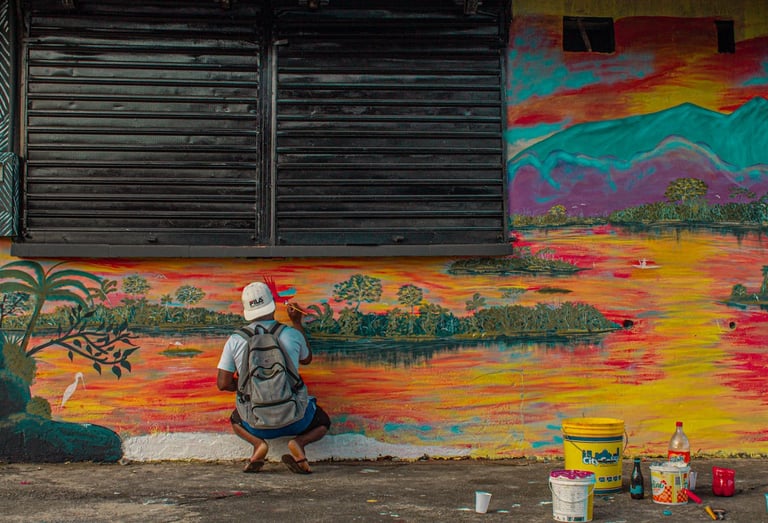
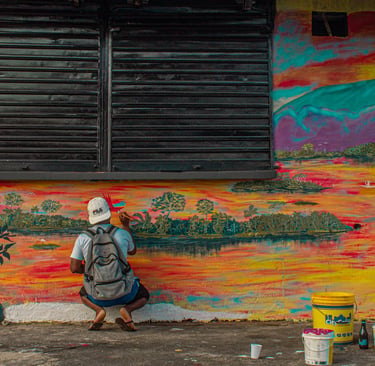
Photo by Rennan Campelo Marinho
These places are not overly polished. They are not optimized for the tourist gaze. They do not have audio guides or gift shops or timed entry slots. What they have instead is something far more valuable: the pulse of a community still writing its own story.
Art as a window into a city's actual soul
A landmark tells you what a place was. A living art scene tells you what a place is.
When you walk into a local gallery, you are not entirely walking into a city’s history. You are walking into a living conversation, about the city’s beauty, about politics, about grief and joy and the particular texture of life in this city, right now, in this moment. The work on the walls is in direct conversation with the streets outside. You cannot fully understand one without the other.
In Jaipur, the havelis and palaces tell you one version of history - grand, symmetrical, intricate details, built to impress. But walk into the old city on an ordinary afternoon and find the painter who still uses pigments ground from the same stones the Mughal miniaturists used centuries ago, and something shifts. You are no longer looking at history behind glass. You are watching it breathe. Visit every fort in Rajasthan and you will understand the empire. Sit with an artist in a narrow blue lane who learned his craft from his father, who learned it from his, and you will understand the people who lived inside it.
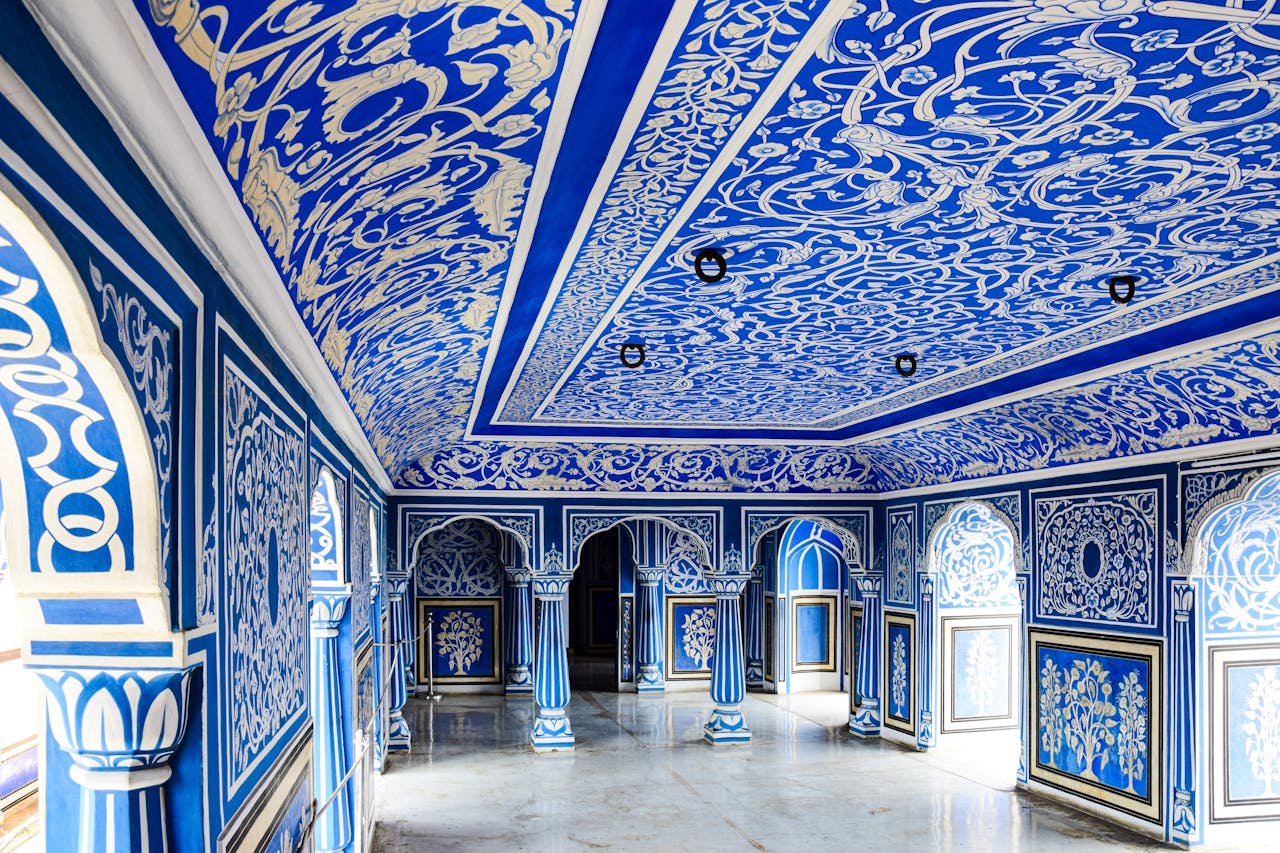
Photo by AXP Photography
In Mexico City, you can stand in front of Diego Rivera's murals at the Palacio Nacional, and you should, because they are extraordinary. But then find your way to the galleries in Roma Norte, to the artists showing work in borrowed living rooms, to the ceramicists and weavers and photographers who are taking everything Rivera stood for and dragging it into the twenty-first century. That is the conversation continuing. That is the city still moving.
Every city has this. You just have to look for it before the landmark swallows your attention.
What you learn about a place when you look at what its people make
We may call it art but what it really is, is evidence.
What artists choose to make, meaning what subjects they return to, what materials they use, what questions they refuse to stop asking - tells you everything about the pressures and pleasures and preoccupations of a place. It tells you what the official version of the city is leaving out.
When you visit a local art scene before you visit a landmark, you arrive at the landmark differently. You carry context. You carry questions. You have already met someone who lives here, who thinks here, who is troubled or exhilarated by the same streets you are about to walk through. The landmark becomes part of a larger story rather than the whole story.
And sometimes, often, actually, you find that the local art scene is the landmark. That the thing worth traveling for was never the monument at all, but the people gathered in a small room on a Tuesday evening, arguing passionately about what it means to make something honest.
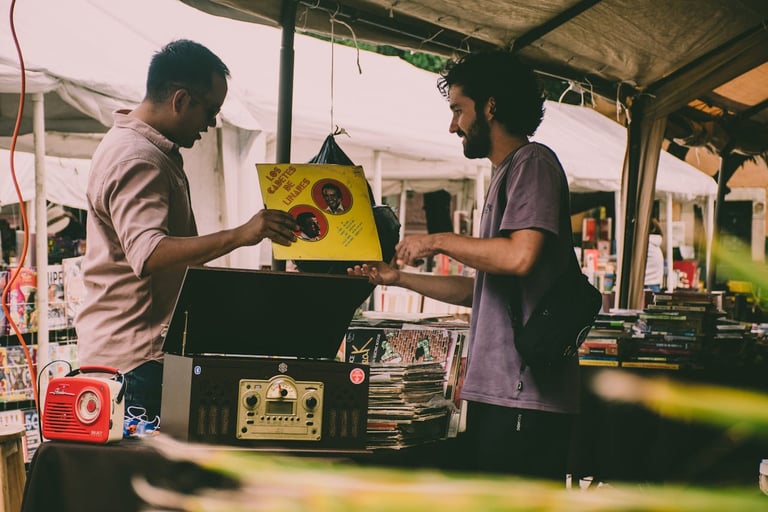
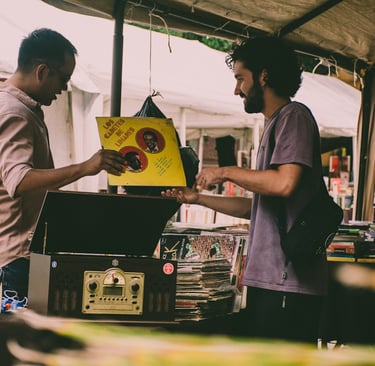
Photo by Jorge Acre
How to actually find it
You will not find it on the first page of search results. You will probably not find it in your guidebook. Here is where to look instead:
Ask your accommodation host not what you “should see" but where the artists in this city go. Those are different questions with very different answers.
Look for independent bookshops. They almost always know where the art is. They are usually neighbors to it.
Follow local artists on Instagram before you arrive. Not influencers. Artists. Look at their location tags, their stories, the places they photograph on an ordinary Wednesday.
Walk. Slowly. Look up at the walls. Look down the alleyways. The best things are rarely on the main road.
A different kind of souvenir
The landmark will give you a photograph. The local art scene will give you a conversation, a name, a community, a small painting you bought for forty dollars from someone who shook your hand and said thank you for coming, and meant it.
One of those things will stay with you for the rest of your life.
The Eiffel Tower will still be there tomorrow. Go find the gallery down the street first.
Related Stories
Green & Beyond Mag © 2026
Stories for those who believe that how we travel, create, and live shapes the world we share. Slow down. Look closer. Go beyond.
Reframe your inbox
Subscribe to our newsletter and never miss a story.